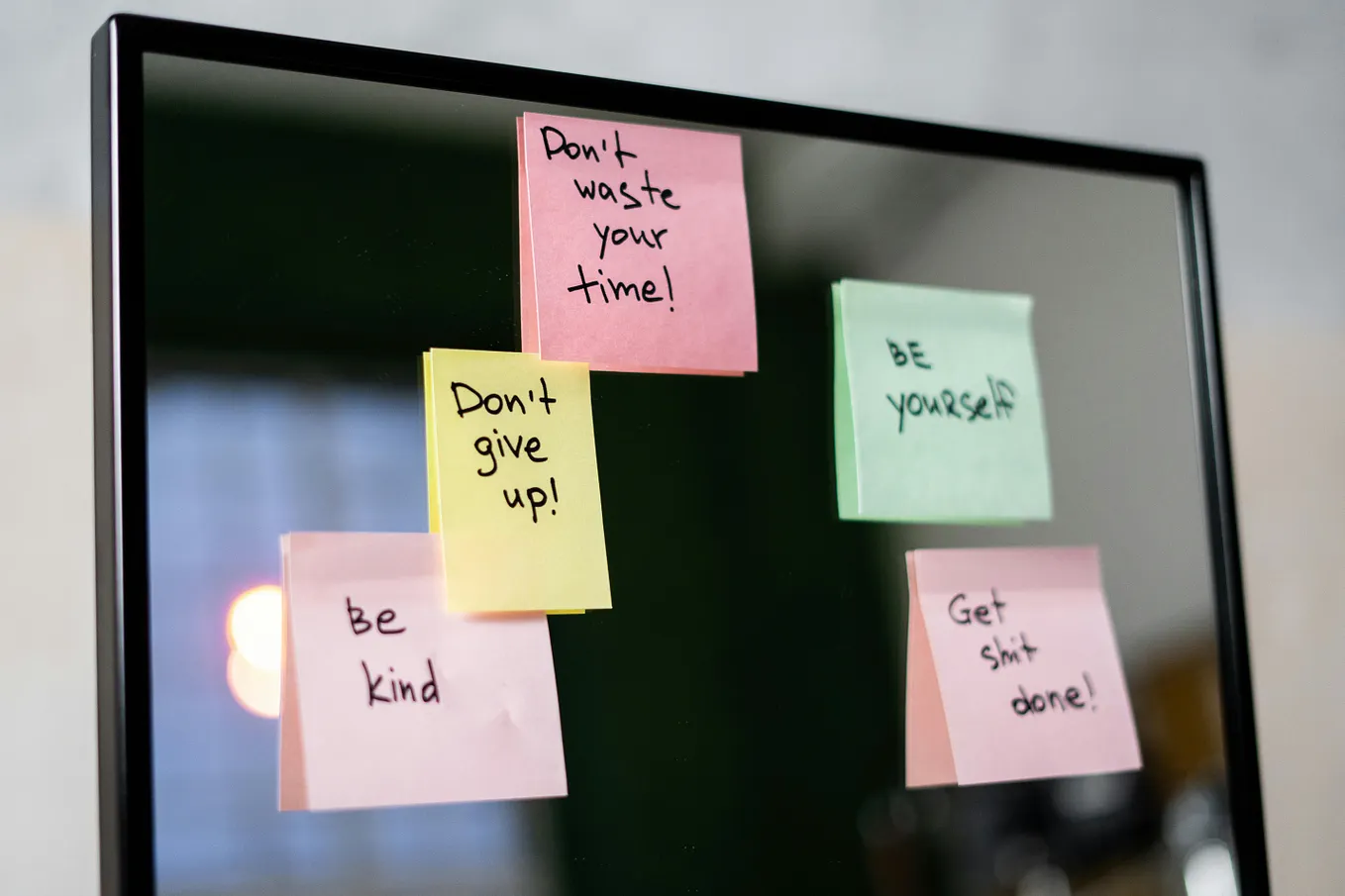




Motivation is a powerful force, but it’s notoriously unreliable. One day, you’re eager to tackle your goals with enthusiasm. The next, even getting out of bed feels like a challenge. When motivation fades—which it inevitably does—discipline steps in. Unlike motivation, discipline is consistent. It doesn’t rely on how you feel in the moment. Building discipline takes time and practice, but it’s the most sustainable way to achieve long-term goals. Here’s how to build it, even when motivation disappears.
1. Start Small and Stay Consistent
Discipline doesn’t come from huge, sweeping changes. It’s built by making small decisions repeatedly. Want to start working out? Don’t try to go from zero to six workouts a week overnight. Begin with 10 minutes a day. Want to read more? Set a timer for five minutes and just start. The key is showing up consistently, not perfectly. Over time, these small efforts become habits, and discipline grows with them.
2. Create a Routine That Removes Decision Fatigue
When you rely on willpower or motivation, every choice becomes a hurdle. What time should I start? Should I go for a run or hit the gym? Decision fatigue can derail your progress quickly. That’s why a routine is essential. If you wake up and know exactly what to do next—like writing for 20 minutes after your coffee—you’re less likely to talk yourself out of it. Structure simplifies action and removes excuses.
3. Set Clear, Non-Negotiable Commitments
When you tell yourself, “I’ll do it later,” you’ve already given yourself a way out. Discipline thrives on clarity and commitment. Set a specific, non-negotiable plan: “I will write 300 words before breakfast every day,” or “I will walk 20 minutes after lunch.” Treat these commitments like appointments you can’t miss. The more you treat them seriously, the more your brain adapts to following through, regardless of motivation.
4. Use Environment as a Discipline Tool
Your environment can either support or sabotage your discipline. If your workspace is cluttered or your phone keeps buzzing with notifications, staying on task will feel like a battle. Make your surroundings work for you. Keep distractions out of sight, use apps that block social media, and keep the tools you need easily accessible. Want to run in the morning? Lay out your shoes and workout clothes the night before. Make good choices easy and bad ones harder.
5. Track Progress to Build Momentum
Nothing reinforces discipline like visible progress. Keep a journal, checklist, or habit-tracking app to monitor your consistency. Even a simple “X” on the calendar for each day you follow through can become motivating. When motivation is gone, looking back at a streak of disciplined days can remind you why it’s worth continuing. Progress doesn’t need to be fast—it just needs to be steady.
6. Expect Setbacks—and Plan for Them
Discipline isn’t about perfection; it’s about persistence. There will be days when you slip. That doesn’t mean you’ve failed. It means you’re human. Instead of beating yourself up, plan in advance how you’ll respond to off-days. Will you reset with a “minimum effort” task like stretching for five minutes instead of skipping your workout entirely? Will you journal about why you didn’t stick to your plan and adjust for next time? Building discipline means getting back on track quickly, not never falling off.
7. Remind Yourself of Your “Why”
Discipline is easier to maintain when it’s tied to a meaningful reason. What’s your long-term vision? Do you want to be healthier, more creative, financially stable, or better at your craft? When the motivation fades, your “why” becomes the deeper source of energy. Write it down. Revisit it often. Let it anchor your efforts when things feel difficult.
Final Thoughts
Discipline isn’t a trait you’re born with—it’s a skill you develop through repetition, intention, and patience. Motivation will always ebb and flow, but discipline will carry you forward when it does. By starting small, creating systems, and embracing consistency over intensity, you’ll turn discipline into a dependable ally. And in the long run, it’s discipline—not fleeting bursts of motivation—that determines success.
Browse these resources for similar content :
https://newsfuzhou.com/
https://perulive.net/
https://coloradonewstoday.com/
https://naturalimpactcbd.org/
https://cbdhempoilreviews.org/
https://firstpresbyterianastoria.org/
https://cnnnewstoday.com/
https://hempdispensaryhealth.com/
https://organicpurehempoil.com/
https://homewateralkali.com/
https://besharanews.com/
https://ausphreak.com/
https://relaxcbdhemp.com/
https://jungleboyweedtins.com/
https://testedhempoil.com/
https://ukbingopromotions.co.uk/
https://njknews.com/
https://hempdispensaryok.com/
https://ryehomedesign.com/
https://shaktihomestyle.com/
https://sonnah.org/
https://topeducationlounge.com/
https://ecofriendlyideas.net/
https://someinfinity.com/
https://dentalephesus.com/
https://morforyou.com/
https://mccallforall.com/
https://menshealthreview.org/
https://orangecountycahomeinfo.com/
https://nicejunehomewares.com/